
JSONPath Tester: Using for API Testing

Application programming interfaces or APIs are essential for connecting disparate software systems in the current web development era and facilitating smooth data exchange and communication. Using APIs applications can leverage features from other systems without having to create them from scratch by making it easier to integrate disparate services. The foundation of today’s digital ecosystem is interconnectivity which drives everything from social media interactions to cloud-based services and e-commerce transactions.

Developers and testers must guarantee the precision and dependability of these APIs. Inconsistent data security flaws and a bad user experience can result from an unreliable API. Therefore to ensure that APIs work as intended handle edge cases gracefully and adhere to performance standards robust testing procedures are crucial. Managing JSON (JavaScript Object Notation) data the most popular format for API responses because of its lightweight and readable structure is one of the challenges in API testing. Specific data extraction and validation from JSON responses can be challenging particularly when working with nested structures. This is where the potent JSONPath query language for JSON data comes into play.

For effectively extracting and validating data from JSON responses JSONPath tester offers a reliable solution. It works similarly to XPath for XML documents, enabling developers and testers to work with JSON data structures using a clear and expressive syntax. Testers can write exact queries to extract particular values, verify the existence and structure of elements, and ensure that API responses follow expected formats by becoming proficient with JSONPath. The use of a JSONPath tester for API testing will be discussed in this blog. Will go over JSONPath fundamentals talk about the advantages of using a JSONPath tester and offer helpful advice for becoming proficient with JSONPath selectors.

Understanding JSONPath

JavaScript Object Notation (JSON) documents can have data extracted and modified using the JSONPath query language. Since JSON is easy to read and understand it is a popular lightweight data-interchange format for APIs. Navigating and extracting particular data can be difficult though as JSON structures get more intricate. To overcome this difficulty JSONPath offers a syntax for filtering and querying JSON data that is comparable to XPath for XML.

Key Concepts of JSONPath

Root Node: The symbol $ in JSONPath denotes the root node. It represents the query beginning much like the root element in XML. This root node serves as the starting point for all JSONPath expressions and is the point of reference for navigating the JSON structure.

Dot Notation: Dot notation is used to retrieve and navigate through the properties of JSON objects. It’s easy to read.

Bracket Notation: Properties or array elements with special characters in their names can be accessed using bracket notation. Particularly when working with dynamic keys it permits greater flexibility.

Wildcards: Allow for matching multiple elements (e.g., ‘$.store.*’).

Benefits of Using JSONPath

To ensure accurate data extraction and validation from JSON responses a JSONPath tester streamlines the process of creating and validating JSONPath expressions.

Here are a few main advantages:

Interactive Testing: Users of JSONPath testers can enter JSONPath expressions and view the results in real-time through an interactive interface. It is very helpful to quickly refine and debug expressions with this instant feedback. As soon as users enter their JSONPath queries the tester instantly processes these expressions and shows the data that has been extracted from the JSON document. Users can see how their queries are answered and comprehend the structure of the data being retrieved thanks to this real-time interaction. Users can instantly modify their queries and view the updated results without waiting if an expression returns less than expected results.

The development and testing cycle is greatly accelerated by this iterative process of input feedback and refinement which also guarantees the accuracy and efficiency of JSONPath expressions. JSONPath testers are a crucial tool for anyone working with JSON data in API testing since they can swiftly detect and fix errors which lowers frustration and increases productivity.

Error Highlighting:

When JSONPath testers use error highlighting it becomes easier to find and fix syntax errors. This feature makes it simple for users to identify the precise location of the problem by visually marking errors in the JSONPath expressions. When a mistake in syntax is found the tester indicates the problematic portion of the expression and frequently offers constructive feedback or suggestions for improvement.

Debugging takes a lot less time and effort thanks to this instantaneous visual feedback. Users can swiftly fix errors and improve their queries rather than spend time digging through complex expressions by hand. Working with JSONPath is made more accurate and efficient overall and error highlighting frees up developers and testers to concentrate more on data extraction and validation and less on debugging syntax errors. Workflows for API testing remain efficient and productive thanks to this streamlined approach to error correction.

Enhanced Accuracy:

Testers using JSONPath greatly increase accuracy by enabling accurate data extraction from JSON documents. Reliable API testing depends on this accuracy since it guarantees that the API responses match the predetermined standards. Users can construct precise and in-depth queries with a JSONPath tester to extract particular data points even from intricate and nested JSON structures. This degree of accuracy aids in confirming that the information returned by an API is correct and complies with the requirements.

Through precise targeting and extraction of pertinent data, JSONPath testers mitigate the likelihood of errors and discrepancies during the validation process. This increased accuracy increases confidence in the robustness of the API and ensures that it functions correctly in a variety of scenarios and conditions. It also increases the dependability of API testing. Developers and testers can produce software that is of higher quality with guaranteed data consistency and integrity as a result.

Efficiency:

JSONPath testers greatly expedite the testing process by automating the validation of JSON responses. This frees up developers and testers to concentrate on other important tasks. Testers for JSONPath provide an easy-to-use interface. And robust querying capabilities to expedite the extraction and validation of data from JSON documents. Because of this automation testing is completed more quickly. And effectively because less human labor is required to write and validate complicated JSONPath expressions.

JSONPath testers contribute to the early identification of issues in the development cycle averting potential issues later on by rapidly and accurately validating API responses. This effectiveness not only speeds up the entire testing process but also gives developers and testers more time to focus on other crucial areas of the application like performance and functionality enhancement. As a result, using JSONPath testers speeds up the production of high-caliber software by fostering a more productive development environment.

Comparing JSONPath Tester with XPath Tester

While XPath is used to navigate XML documents JSONPath is intended for JSON data. Despite being designed for distinct data formats the two tools have similar functionalities.

This is a quick comparison:

JSONPath Tester

Purpose: It aims to extract data from JSON documents.

Syntax: Uses dot and bracket notations.

Use Case: API testing is most appropriate in situations where JSON is the primary data format.

XPath Tester

Purpose: Retrieves information from XML documents.

Syntax: Path expressions with slashes and brackets are used.

Use Case: XML-based documents and web services can be used to test and extract data easily.

Even though JSONPath and XPath testers differ they are both necessary tools for validating and extracting data from their respective formats. Proficiency with these tools enhances the precision and effectiveness of web development and API testing.

Getting Started with a JSONPath Tester

Take the following actions to efficiently utilize a JSONPath tester:

Choose a JSONPath Tester: Select a JSONPath Tester from the Many online resources and browser extensions that are available. Pick the option that best meets your needs.

Input JSON Data: Copy and paste your JSON response into the tester to enter JSON data. Make sure the JSON data is legitimate and well-formed.

Craft JSONPath Expressions:  Create expressions that extract the required data by utilizing the syntax of JSONPath. Gradually add complexity as needed starting with basic expressions.

Validate and Refine: Evaluate your JSONPath expressions and make necessary adjustments in light of the findings. Make use of the error highlighting and interactive feedback features to fix any problems.

Tips for Mastering JSONPath Selectors

  1. Start Simple: To grasp the structure of your JSON data start with simple JSONPath expressions. Add intricacy gradually as you gain proficiency.
  2. Use Wildcards Wisely: Wildcards can match more than one element so use them carefully to prevent unwanted data from being extracted.
  3. Combine Dot and Bracket Notations: Use a combination of dot and bracket notations to efficiently navigate through intricate JSON structures.
  1. Practice Frequently: Using and practicing JSONPath expressions regularly will help you become more proficient and accurate over time.

Conclusion:

For accurate and effective API testing one must become proficient with JSONPath selectors. Developers and testers can ensure accurate data extraction from JSON responses by using a JSONPath tester to interactively create validate. And improve their JSONPath expressions. To ensure that APIs work. As intended and that the data they return is accurate and well-structured this procedure is essential. Similar to XPath testers we acknowledge that JSONPath. And XPath are essential components of the toolkit of contemporary developers each with a distinct function in navigating and validating distinct data formats (XML and JSON respectively).

Offering instant feedback error highlighting and automated validation utilizing the power of JSONPath testers improves the accuracy and efficiency of the API testing workflow. Thus freeing up time for other important responsibilities developers can produce software that is more dependable and durable. Leveraging these tools in the dynamic web development landscape guarantees that applications can meet the high standards of today’s digital ecosystem by integrating and interacting with diverse systems seamlessly.

Steel Railing Design For Balcony 

Hey there, design enthusiasts! Ready to dive into the world of steel railings? Trust me, it’s way more exciting than it sounds. Whether you’re renovating your apartment or just daydreaming about your future space, I’ve got you covered with everything you need to know about steel railings that’ll make your balcony look stunning. 

Top 20 Steel Railing Design For Balcony 

#1. 15 Modern Balcony Steel Railing Designs For Home 2024

This may contain: an iron balcony railing with decorative designs on it

#2. Balcony Grill Design 2023 | Top 60 | Modern Balcony Grill Design | SSF | Iron Railing Front Railing

Balcony Grill Design 2023

#3. Steel railing design for balcony simple

This may contain: a bird is perched on the top of a building with a balcony and balconies

#4. Balcony railing design for house front

This may contain: a balcony with tiled flooring and railings next to a door that leads to another room

#5. Steel railing design for balcony images

This may contain: several different types of balcony railings and balconies in various shapes and sizes

#6. elevation design modern

Story Pin image

#7. Modern steel railing design for balcony

This may contain: a blue and white sign hanging from the side of a building next to a balcony

#8. Modern Steel Railing design for Balcony Price

This may contain: two men standing on a balcony next to a building with green and white painted walls

#9. DECORATIVE STAINLESS STEEL BALCONY RAILING
This may contain: a balcony with metal railings and white chairs

#10. Balcony safety grill design ideas for modern homes
This may contain: there is a metal hand rail on the side of a building with trees in the background

#11. Balkon korkuluk modelleri whatsapp +905321765303 #Fransızbalkonkorkuluk
Story Pin image

#12. Balcony grill design Modern balcony grill ideas Balcony safety grill design Balcony railing grill
This may contain: an apartment building with balcony and balconies on the second floor is shown in this image

#13. Top 70 Mẫu Lan Can Ban Công Inox Đẹp, Hiện Đại, Mới Nhất

This may contain: an apartment building with a balcony and railing on the top floor that has arrows pointing in different directions

#14. 15 Modern Balcony Steel Railing Designs For Home 2024

This may contain: the balcony railings and balconies are decorated with intricate designs

#15. Balustrady balkonowe Gobe Galaxy 369 przykłady studium przypadku

This may contain: a white balcony with black railings and blue sky in the background

#16. Balcony balustrades, terrace and stair railings Gobe

This may contain: an architectural rendering of a modern building with balconies and railings on the second floor

#17. Balcony balustrades, terrace and stair railings Gobe

This may contain: an architectural rendering of a building with metal slats

#18. Home decoration- modern grill design- balcony ideas -free beginners

This may contain: an image of a balcony railing on a building

#19. Modern Balcony Grill Design | Balcony Stainless Steel Railing | Balcony Handrails Railing Design

This may contain: an image of a metal gate that is in the middle of a gray room with light coming through it

#20. Sipariş İçin 0551 982 27 78 İnstegram 👉 DoreSandalye
 

This may contain: an iron fence with snow on the ground and steps leading up to it, in front of a white wall

Balcony Railing Steel Vector Images (over 390) 

Alright, let’s talk about design inspiration. When I started browsing through vector images for steel railing designs, my mind was blown by the sheer creativity out there. From minimalist geometric patterns to elaborate floral designs, the possibilities are endless. 

The cool thing about vector images is that they give you a perfect blueprint for what’s possible with steel. I’ve seen some incredible designs featuring interlocking circles that look like modern art, and others with clean horizontal lines that give off major contemporary vibes. These images aren’t just pretty pictures – they’re actual templates that welders and manufacturers can use. 

Pro tip: Before settling on a design, try to find vector images that show the pattern from different angles. Some patterns look amazing head-on but might lose their charm when viewed from the side. I learned this the hard way when helping my cousin with her balcony project! 

Stainless Steel Balcony Railing 

Now, let’s get into the crown jewel of railing materials – stainless steel. This isn’t your average metal; it’s like the Superman of railings. It’s corrosion-resistant, crazy strong, and looks clean AF. 

The thing I love most about stainless steel is how it catches light throughout the day. In the morning sun, it has this subtle glow that can make your whole balcony look more expensive. And at night? If you add some strategic lighting, it creates this gorgeous reflection that turns your balcony into prime hangout real estate. 

But here’s something I wish someone had told me earlier: not all stainless steel is created equal. The grade matters big time. For balconies, you’ll want to look at grades 304 or 316 (more on that in a bit). They might cost more upfront, but trust me, they’re worth every penny in the long run. 

Which Steel is Best for Balcony Railing? 

Okay, here’s the tea on steel grades. After geeking out on this topic for way too long, I can tell you that there are basically three main contenders for balcony railings: mild steel, stainless steel 304, and stainless steel 316. 

Mild steel is like that budget-friendly option that gets the job done but needs more TLC. It’s strong and can look great with proper coating and regular maintenance. I used this for my first apartment balcony renovation, and while it worked fine, I definitely had to stay on top of the maintenance game. 

Stainless steel 316 is the Rolls Royce of railing materials, especially if you live near the coast. It’s got molybdenum (try saying that five times fast) which makes it super resistant to salt air and harsh weather. Yes, it’s pricier, but if you’re planning to stay in your place long-term, it’s totally worth the investment. 

Steel Railing Materials Comparison Table 

Here’s a handy comparison of different steel types to help you make the right choice: 

Steel Type  Durability  Cost  Maintenance  Best For 
Mild Steel  Good  $  High  Budget projects, covered areas 
Stainless 304  Excellent  $$$  Low  Most residential areas 
Stainless 316  Superior  $$$$  Minimal  Coastal areas, luxury projects 
Galvanized Steel  Very Good  $$  Medium  Outdoor, humid areas 
Powder-Coated Steel  Very Good  $$  Medium  Colorful designs, modern looks 

This guide should give you a solid foundation for choosing and designing your perfect balcony railing. Remember, it’s all about finding that sweet spot between style, safety, and practicality. Now go forth and create that awesome balcony you’ve been dreaming of! 

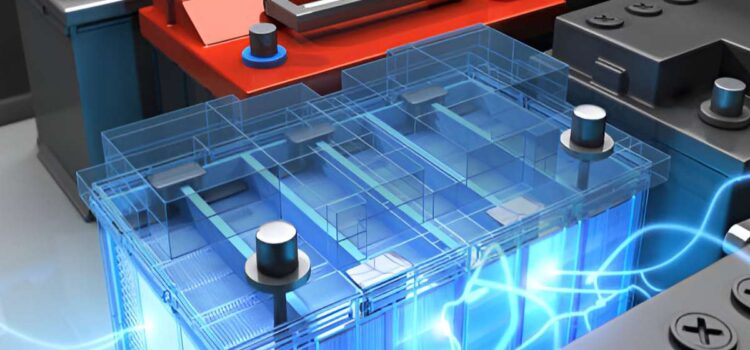
In a world constantly in motion, the heart of your vehicle—the car battery—plays a pivotal role. Yet, as we stand on the brink of a technological revolution, the traditional car battery is undergoing a transformation that promises to redefine the automotive landscape.

The Evolution of Car Battery Technology

Remember the days when a watch was merely a device to tell time? Fast forward to today, and watches are miniature computers on our wrists. Much like this evolution, car-battery technology is shifting from the simple lead-acid constructs to more sophisticated and environmentally friendly alternatives. Innovations like lithium-ion and solid-state batteries are steering us towards a future where your car’s power source is lighter, faster charging, and holds a charge much longer than ever before.

Why This Shift Matters to You

Consider how the transition from wind-up watches to quartz watches revolutionized not just how we use them but also how we interact with the world. Similarly, advanced car battery technology means not just longer-lasting batteries, but also more robust integration with electric vehicles (EVs), enhancing your driving experience with quicker acceleration and fewer stops for charging.

The Emotional Journey of Car Battery Replacement

Let’s talk about the emotional side of car battery replacement. Picture this: you’re late for an important meeting and you turn the key, only to hear that dreaded slow crank. The frustration mounts, the stress builds, and suddenly, you’re in a race against time. With newer battery technologies, such distressing scenarios are poised to become a thing of the past. More reliable and enduring batteries are on the horizon, promising peace of mind and a more enjoyable driving experience.

The Role of Approval in Technological Adoption

Approval plays a crucial role in the adoption of new technologies. Take, for instance, the moment your new phone gets the latest software update approval, and suddenly, it feels like a brand new device. Similarly, as new car battery technologies receive approval from safety regulators and environmental boards, their integration into mainstream markets accelerates, bringing us closer to a sustainable automotive future.

Understanding the Science Behind Car Batteries

Car batteries are not just containers of chemical reactions; they are marvels of modern engineering. To appreciate this evolution, consider the term ‘agnate’, which refers to something akin or very similar. Traditional and modern batteries might be agnate in basic function—powering vehicles—but the internal mechanics have evolved dramatically. This evolution mirrors how distant relatives in a family tree might share traits despite many generations of separation.

Choosing the Right Car Battery Replacement

When it’s time to choose a car battery replacement, it’s crucial to consider not just the cost but also the compatibility and longevity. With the myriad of options available, navigating through them can feel overwhelming. Here’s where understanding the latest in battery technology can help you make an informed decision that ensures durability and performance, saving you time and money in the long run.

Embracing the Future

As we continue to witness advancements in car battery technology, one can’t help but feel excited about what the future holds. From faster charging times and enhanced sustainability to superior performance, the new era of car batteries looks promising. Whether you’re a tech enthusiast or simply someone who looks forward to a reliable and efficient driving experience, these innovations bring something to the table for everyone.

The journey of car battery technology from simple lead-acid to complex lithium-ion mirrors the personal journeys of adapting and evolving through life’s phases. Just as you outgrow certain phases and embrace new chapters, your vehicle’s heart—its battery—evolves too, bringing new comforts and capabilities.

So, as you cruise down the highway of life, remember that the power pivot in car battery technology isn’t just about sophisticated engineering; it’s about making your daily journey smoother and more reliable. In the end, isn’t that what all of us are striving for in our various travels, both literal and metaphorical?